Case Studies/BRITISH GAS

Driving innovation and efficiency in PAYG services.
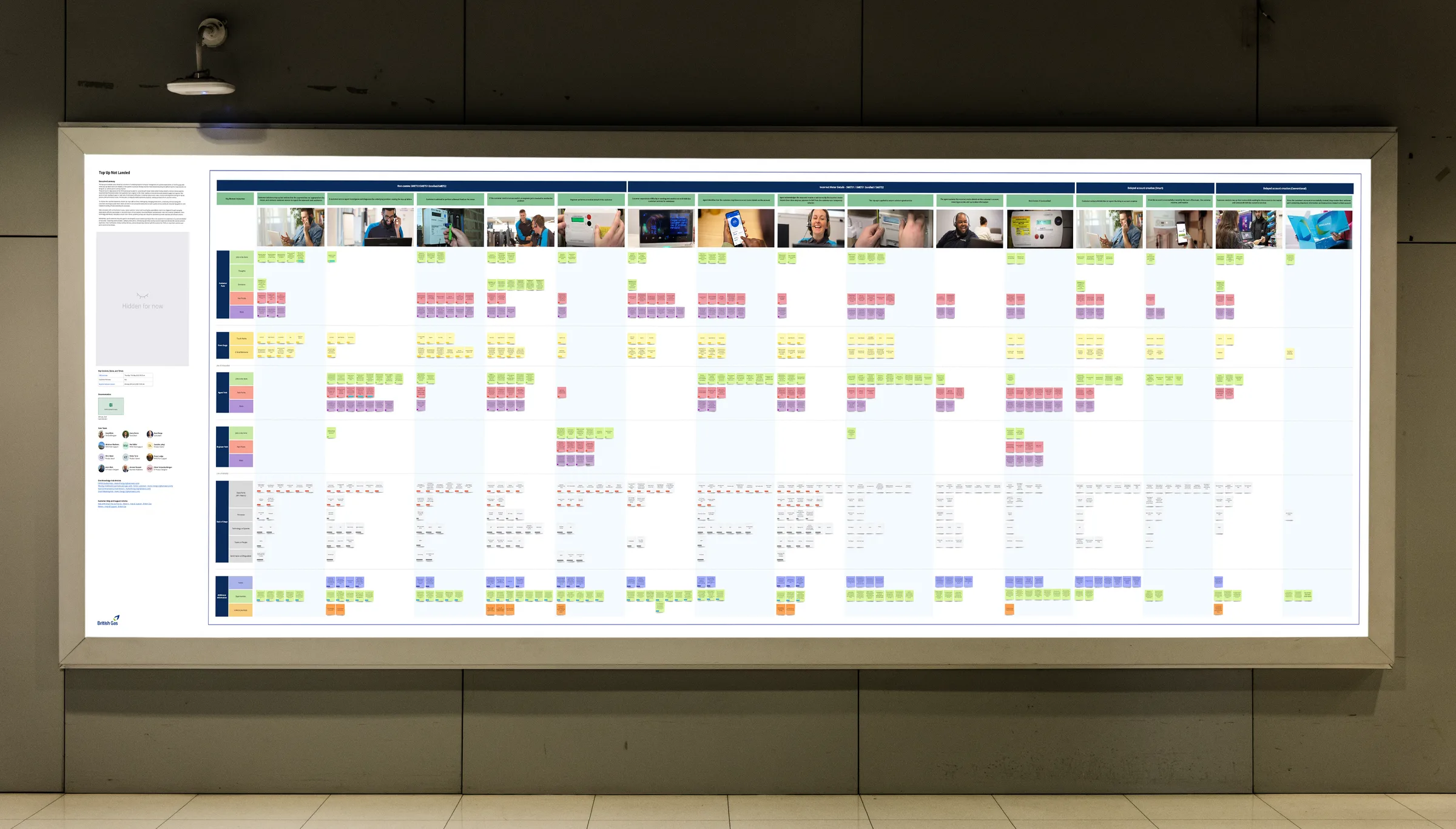
In my collaboration with British Gas, we enhanced the PAYG service by creating 14 artefacts based on contact drivers. These artefacts mapped customer journeys and identified over £11 million in potential cost savings by reducing customer contacts and complaints.
Timeframe
11 months
Location
Hybrid, Leicester UK
Engagement
Client-side Contract
Role
Service Designer
Introduction
The Client
In my role at British Gas, the UK's leading energy provider, the focus was on spearheading smart, eco-friendly energy solutions for homes and businesses. British Gas stands out not just for keeping the lights on but for enhancing lives through innovative and sustainable practices. The drive is to anticipate and meet the evolving demands of customers and the environment.
Right now, British Gas stands out among the UK's "Big Six" energy firms, doing much more than just providing energy. This experience encompasses billing, support, and a commitment to smart technology and green solutions. Such a holistic approach underscores the critical role of strategic design in shaping the business landscape and impacting society at scale.
My engagement focused on transforming services to be more user-friendly, energy-efficient, and environmentally friendly. This shift from traditional energy supply towards empowering customers with innovative solutions was at the heart of the project.
Electricity supplier UK market share
Share of GB domestic electricity supply, quarter by quarter
Market share data for 2004 Q1:
| Supplier | Market share (%) |
|---|---|
| British Gas | 24.0 |
| E.ON/E.ON Next | 21.0 |
| npower | 15.0 |
| EDF | 14.0 |
| SSE | 14.0 |
| ScottishPower | 11.0 |
| Small suppliers | 1.0 |
Source: Ofgem market share data. Share of GB domestic electricity supply, 2004 Q1 – 2026 Q1.
British Gas at a Glance
1812
Founded — gas industry
9M
Customers across Great Britain
¼
Of Great Britain's homes served
£969M
Operating profit — early 2023
The Service
Pay As You Go (PAYG)
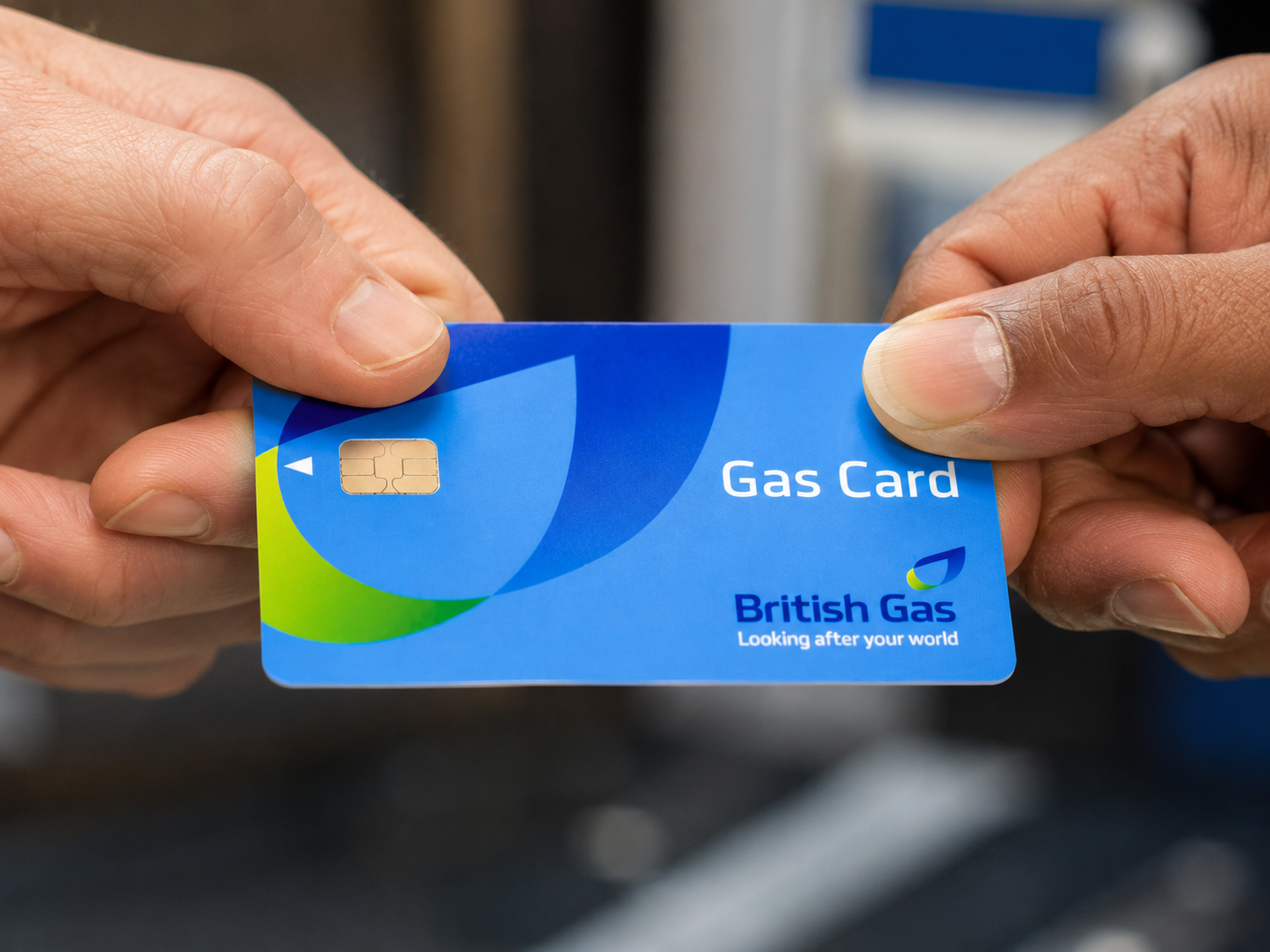
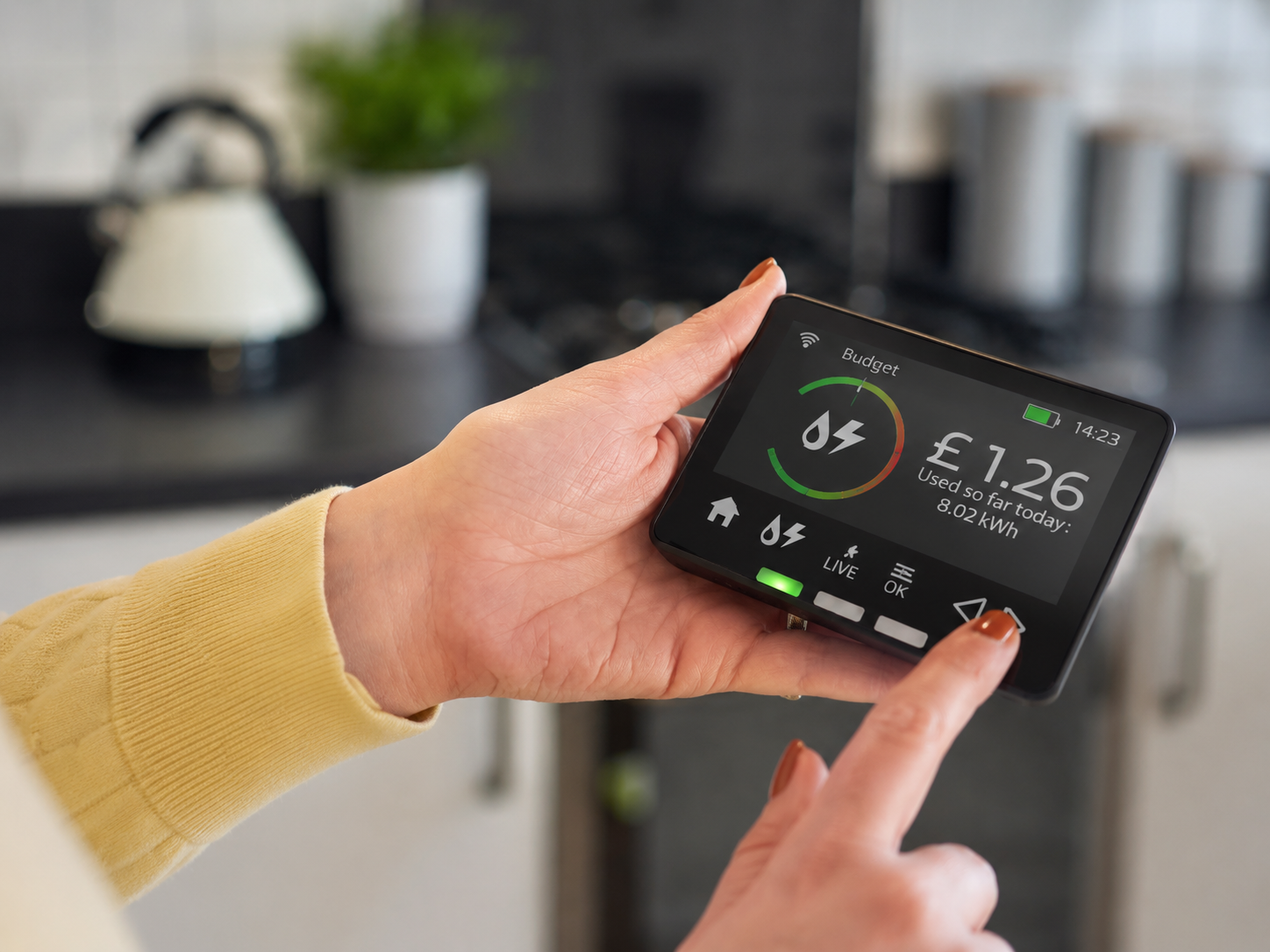
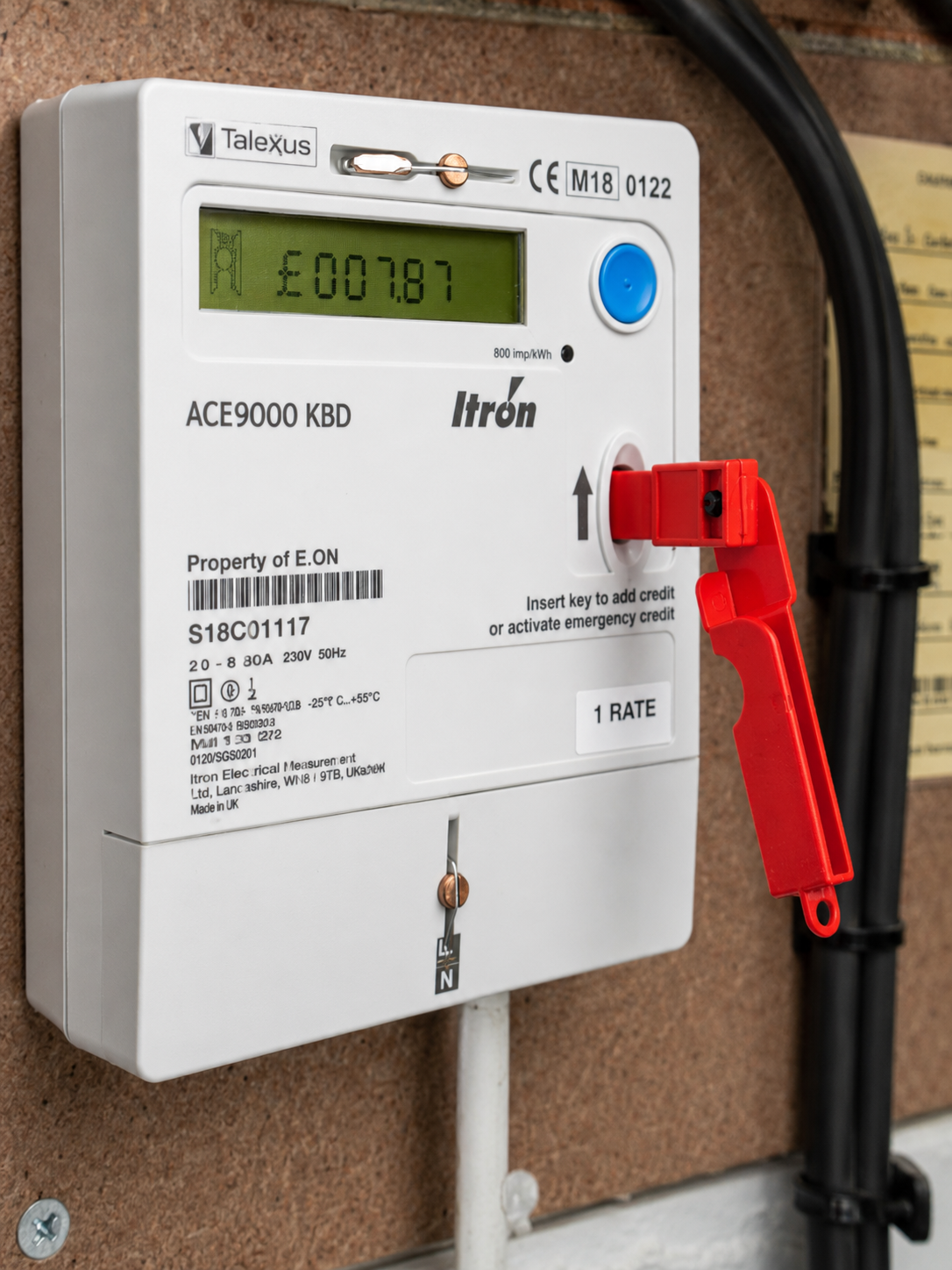
The PAYG service is a contemporary version of the traditional prepayment system, designed to let customers buy energy credits ahead of time. Catering to 1.2 million customers, this service is a testament to innovation, offering a crucial solution for those who prefer to manage their finances more tightly or have difficulties with consistent billing. Transitioning from coin-operated meters to digital platforms showcases British Gas's dedication to providing flexible and empowering options for its users.
Impact of PAYG
PAYG stands as a clear example of how strategic design can effectively tackle social issues, such as energy poverty, by offering practical solutions that encourage more mindful energy consumption and support wider social, economic, and environmental objectives.
Scope & success
Scope of Our Work
Business Drivers
We aimed to boost operational efficiency within the PAYG service to lower British Gas's support costs. Additionally, we migrated customers to the NEP platform to enhance their experience and minimise service interruptions.
Defining Success
We established KPIs to measure the design's impact, focusing on reducing complaints, speeding up resolutions, and improving satisfaction (NPS). We also analysed potential cost savings and revenue from design enhancements for financial benefits.
Initiative Goals
Our focus was on improving the PAYG service for customers, agents, and engineers by addressing critical issues and streamlining processes. We adapted the service for a smooth transition between the Classic and NEP platforms to reduce customer disruption.
Design Approach
Our strategy highlighted the necessity of understanding customer challenges and adopting an "outside-in" perspective. This approach significantly reduced customer contacts and complaints while increasing satisfaction ratings.
Working together
Collaboration
This project involved a massive collaborative effort, bringing together 59 individuals from different departments across the organisation. Together, we championed customer-centricity and embraced User-Centred Design practices. At the heart of our approach was the Tri-Track Agile methodology, which guided us through a thorough design and discovery journey, significantly enhancing our design and agile capabilities at British Gas.
59
Contributors across departments
Tri-Track
Agile methodology

Methodology
Strategy Design Track 1 Framework
I played a crucial role in developing and implementing a framework aimed at enhancing strategic design. This formed the Track 1 Framework that fit with the wider part of the Tri-Track Agile methodology, which was essential in improving collaboration speed and quality, resulting in better customer experiences.
I joined a diverse team of seven strategic designers, each with unique backgrounds but a shared commitment to understanding customer needs. We embraced the five fundamental principles of strategic design thinking, creating interactive documentation throughout the track 1 process that linked back to original insights for easy traceability.
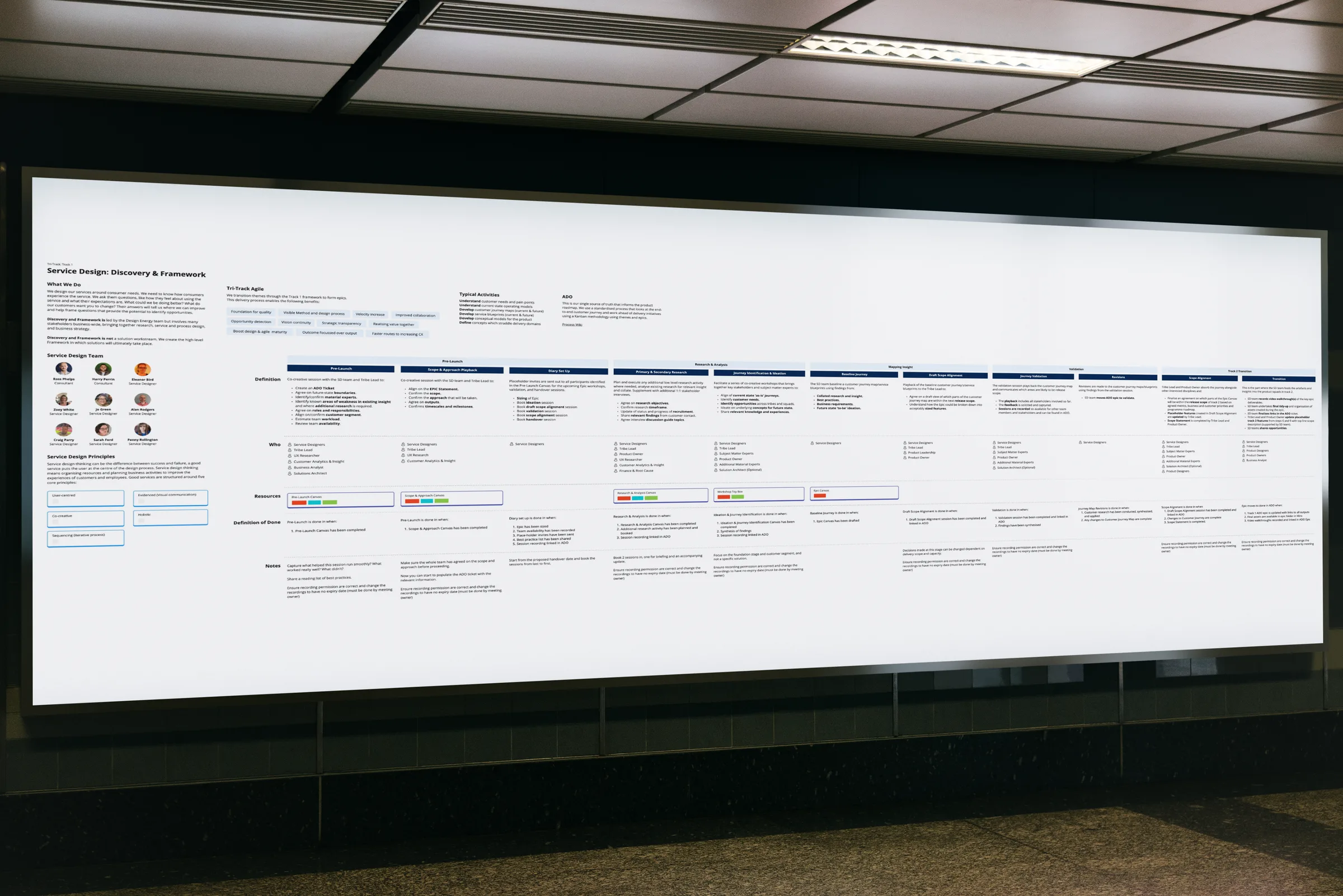
Prelaunch Session
Set the vision, identified key participants, reviewed insights, planned research, defined roles, and assessed team capacity.
Scope & Approach Playback
Ensured alignment on scope, approach, outcomes, and timelines before the research effort began in earnest.
Research & Analysis
Utilised ethnographic studies and trend analyses to capture a holistic service view, followed by journey mapping and ideation workshops.
Validation Phase
Integrated business requirements, customer insights, and best practices to outline the desired future state, breaking project scope into manageable features with product management.
Final Phase
Turned the refined scope into actionable plans, incorporating feedback into product designs and project deliverables.
Prelaunch Session
Set the vision, identified key participants, reviewed insights, planned research, defined roles, and assessed team capacity.
Scope & Approach Playback
Ensured alignment on scope, approach, outcomes, and timelines before the research effort began in earnest.
Research & Analysis
Utilised ethnographic studies and trend analyses to capture a holistic service view, followed by journey mapping and ideation workshops.
Validation Phase
Integrated business requirements, customer insights, and best practices to outline the desired future state, breaking project scope into manageable features with product management.
Final Phase
Turned the refined scope into actionable plans, incorporating feedback into product designs and project deliverables.
Setting the foundation
The Pre-Launch
At the start of the project, I focused on fostering teamwork from the off by gathering key stakeholders to define the project's scope, identify key customer groups, whilst reviewing existing research to find gaps. The session also identified the necessary subject matter experts, clarified roles, assessed realistic timelines, and set up preliminary invites for key dates and milestones within the initiative.
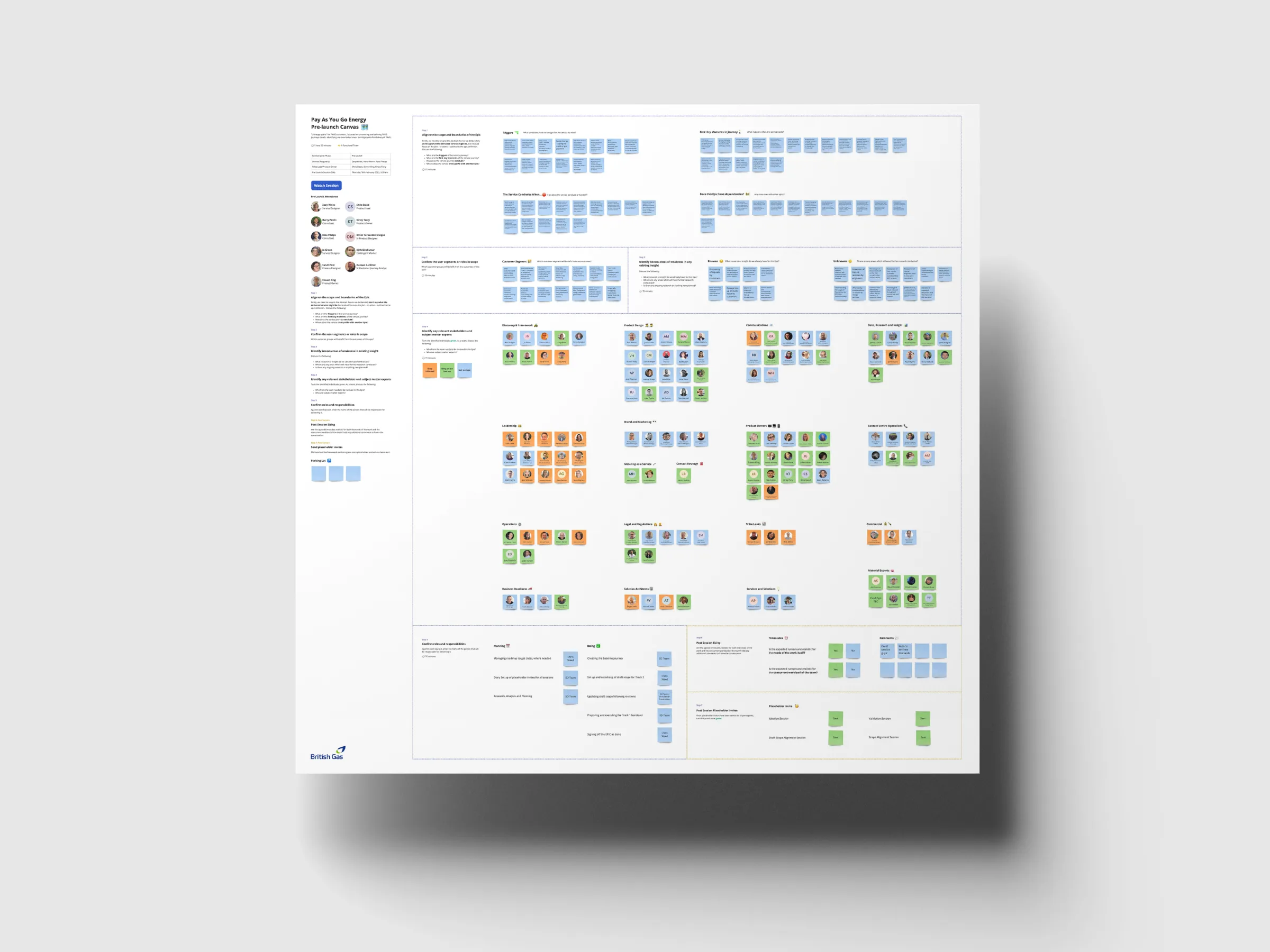
Aligning the Approach
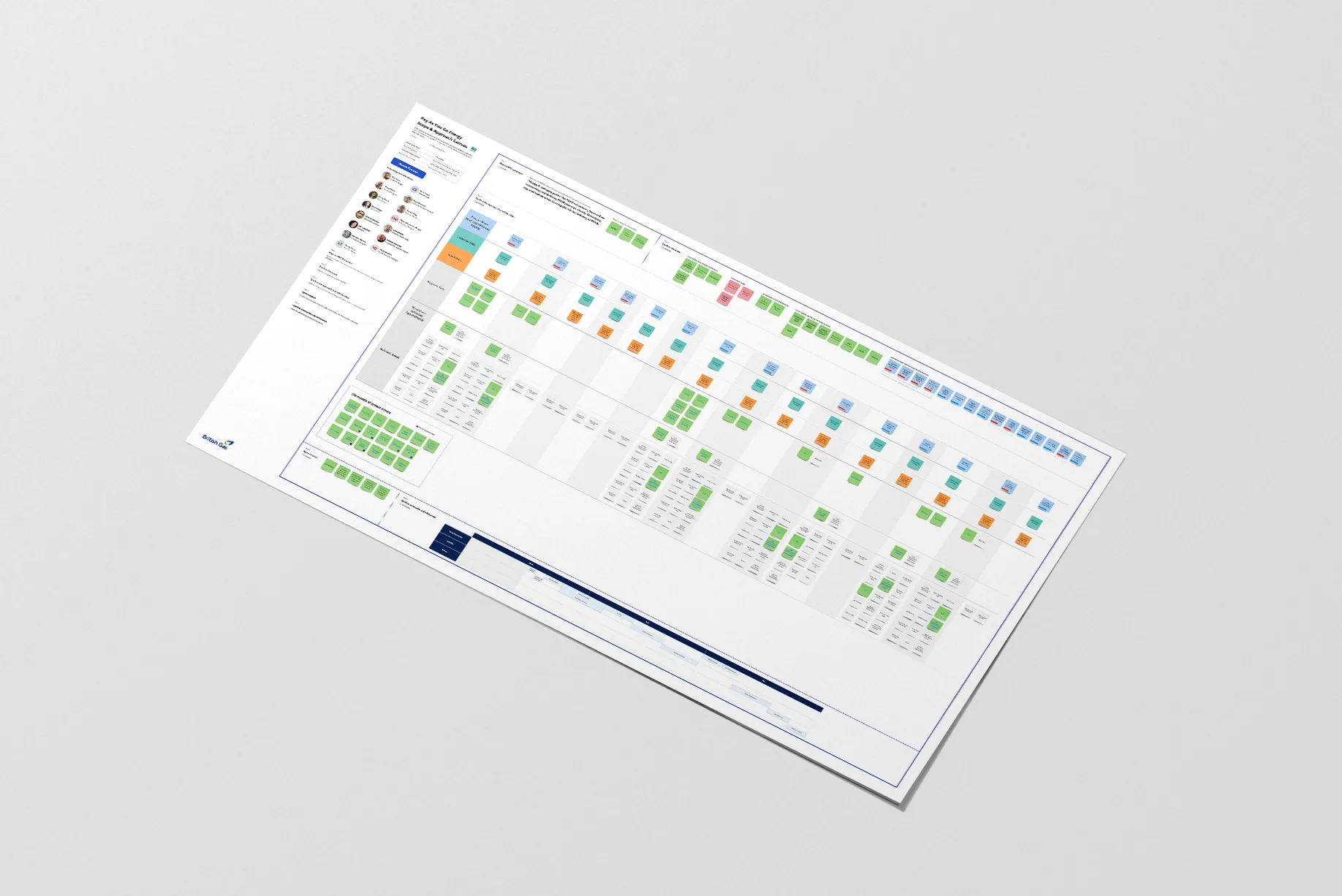
Scope & Approach
The main goal was to reduce contact rates from Pay As You Go (PAYG) customers to British Gas by addressing the root cause of the customers' issues, all whilst lowering operational costs. The vision was to achieve this by exploring both the rewarding and challenging experiences of our PAYG customers, by mapping journeys, blueprints, identifying gaps, and reducing service risks.
In this session with key stakeholders, we outlined the project's scope: reducing customer contact by resolving underlying issues. By integrating the Tri-Track Framework and taking into account discovery debt, we highlighted the need to identify the core reasons for incoming contact. I presented our approach and potential deliverables such as journey maps and service blueprints to manage expectations. We also used a Gantt chart detailing activities and milestones to refine PAYG service paths and improve efficiency — key for stakeholder visibility and planning ahead.
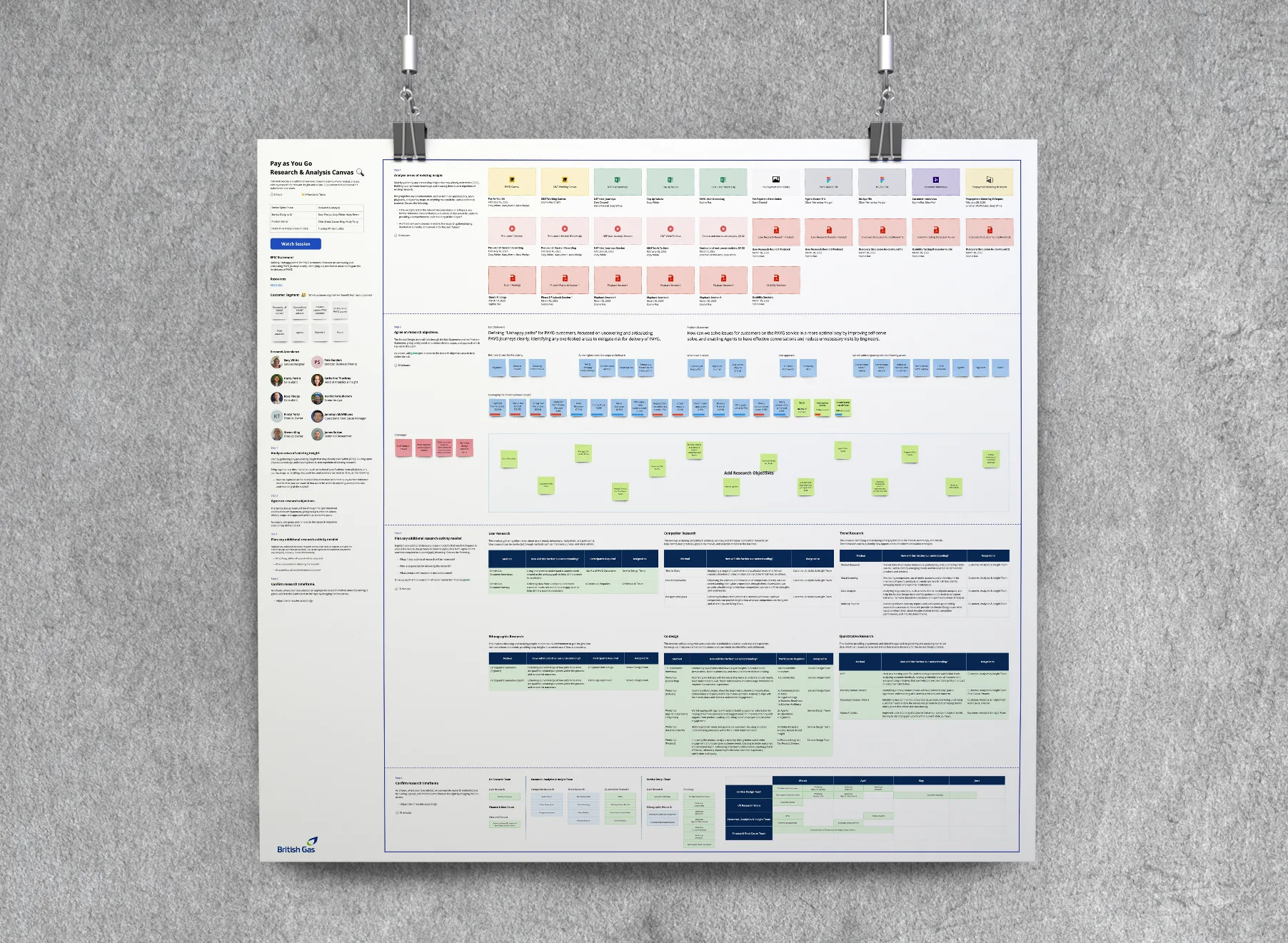
Aligning the evidence
Research Alignment Session
For the first time in our organisation, we successfully brought together five distinct streams of research: root cause analysis, user experience (UX) research, data analytics and insights, trend analysis, and financial studies. This effort pooled insights from key stakeholders across each domain — from Miro boards provided by external agencies and detailed user journey maps on the SAP platform, to Figma designs and business intelligence reports, particularly focusing on metering, which is vital for our programme.
An 'Epic Statement' was created to streamline our strategy, outlining business drivers, project scope, methodologies, and approach. Analysing contact reasons revealed the need for a larger sample size beyond the initial 150 surveyed. The research objectives included cost implications, customer wait times, call handling durations, repeat contacts, customer pain points and internal systems.
Methodologies and Approaches
We identified the need to conduct at least 10 interviews with British Gas customers, expanding as needed. This qualitative approach was complemented with surveys, ethnographic research, co-design workshops, and stakeholder interviews. Research also focused on key metrics such as Net Promoter Score (NPS) despite its known limitations, with further analysis using Adobe Analytics for online experiences.
Research methods
Listening internally
Stakeholder Interviews
I crafted a discussion guide to explore roles, responsibilities, and stakeholder dynamics, aiming to anticipate and prevent issues seen in past initiatives. I conducted 11 interviews with key stakeholders, including product owners from various business areas such as support, service management, and app development. We delved into customer experiences, especially service failures, examining their emotional impact, resolution tactics, and lessons learned.
We also investigated challenges faced by agents and field engineers, along with the systems, processes, and infrastructure supporting service delivery. This alignment of stakeholder needs with business goals focused on improving internal operations. Lastly, we discussed using data and metrics for ongoing improvement.
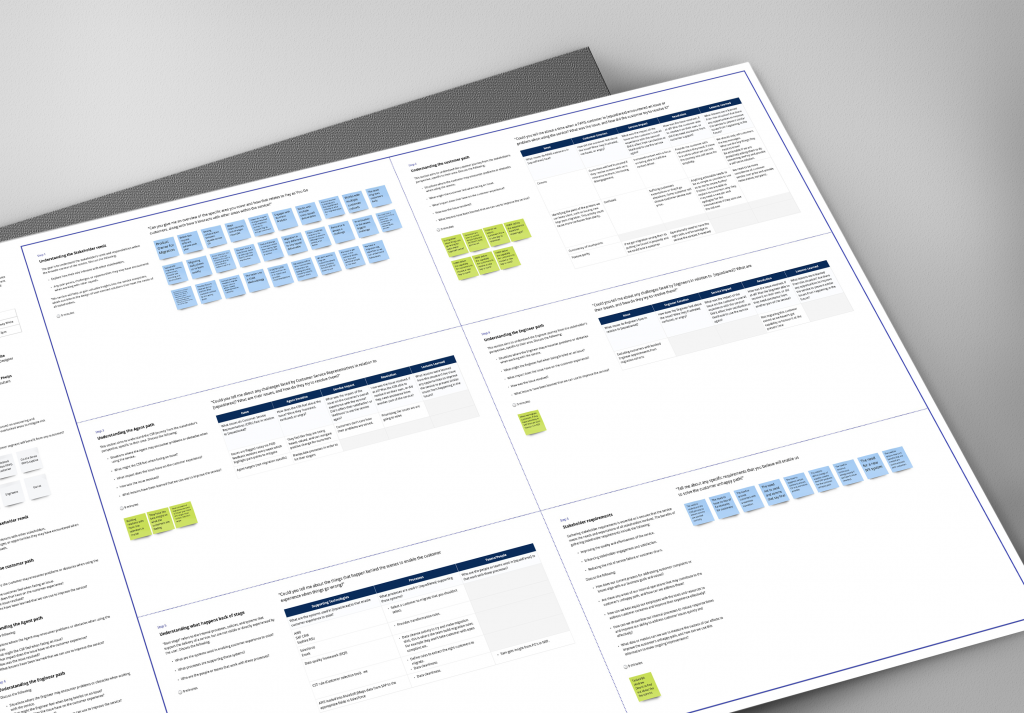
Edinburgh workshop
Subject Matter Experts Workshop
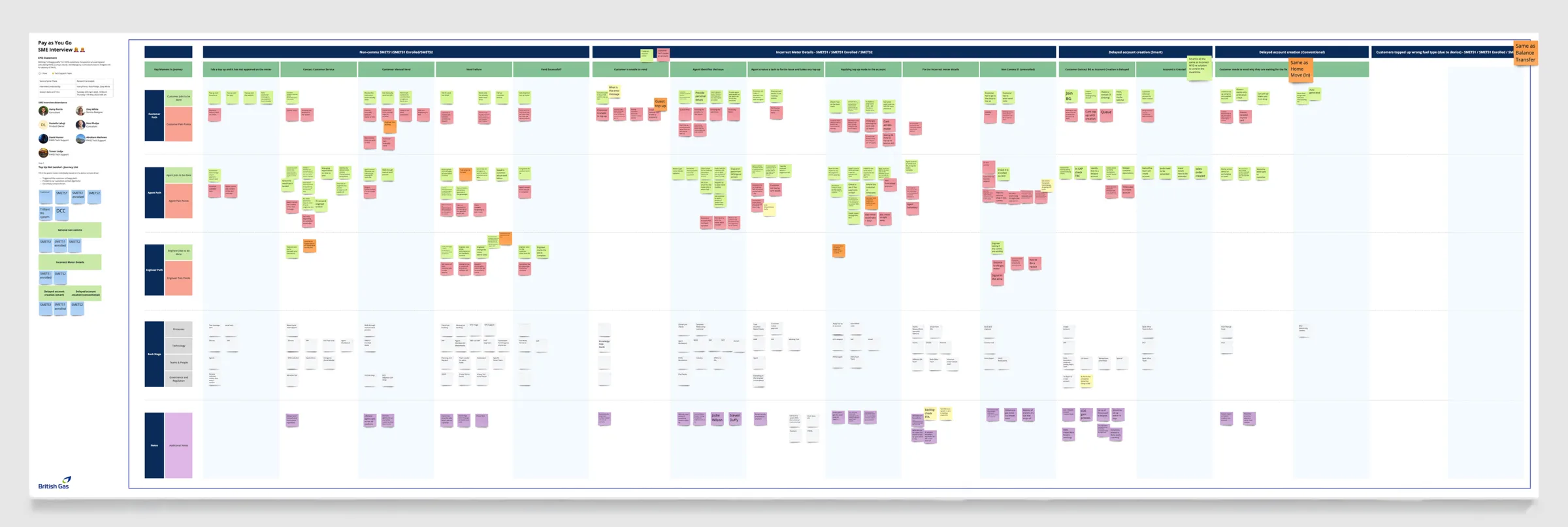
Alongside another designer, I visited the customer service support team in Edinburgh, identified as subject matter experts in PAYG services. We conducted in-depth discussions covering all 14 contact drivers and drafted preliminary journey maps for agents, customers, and engineers.
Our journey mapping was comprehensive, starting with the customer's experience. We examined their challenges, tasks, and goals, as well as the roles and obstacles faced by support agents and engineers. This broad approach helped identify connections with other projects and offered a detailed view of our service ecosystem.
Beyond the Frontline
We also explored 'backstage' aspects of service delivery, including internal processes, technologies, and teams that support customer interactions. Understanding these elements is crucial for service efficiency and effectiveness. We reviewed British Gas's governance and regulatory requirements to ensure compliance in our strategic design.
Synthesis and Implementation
The information collected from these interviews was processed to inform our final strategic design outputs. By thoroughly examining the journeys of customers, agents, and engineers, we identified areas for service enhancement. This comprehensive strategy ensures our solutions meet business goals and address the real needs and challenges of those we serve.
Understanding customer needs
Customer Interviews
At the start of my engagement with British Gas, my goal was to help develop the strategy design team. I created and conducted a session focused on a skills matrix, where team members rated their confidence in various areas of the discipline on a scale from 1 to 4. By averaging these ratings, we identified areas needing up-skilling. Customer interviews emerged as a particular area of low confidence. To address this, I co-designed a two-week training programme to enhance the team's interviewing skills. This initiative resulted in a 270% increase in direct customer engagement across the business.
Exploring Customer Experiences
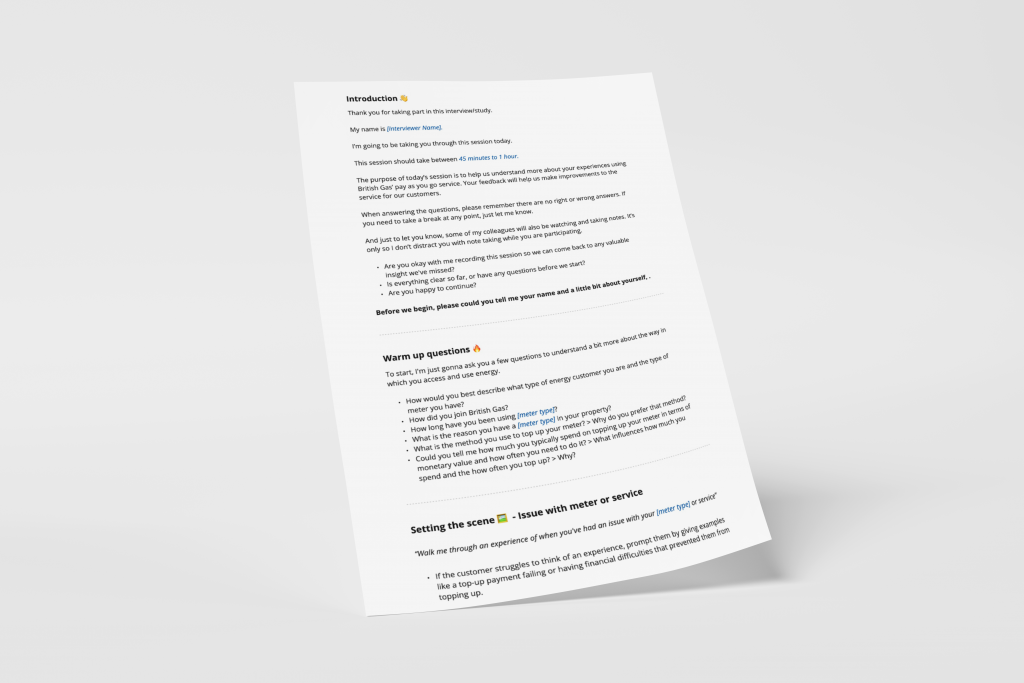
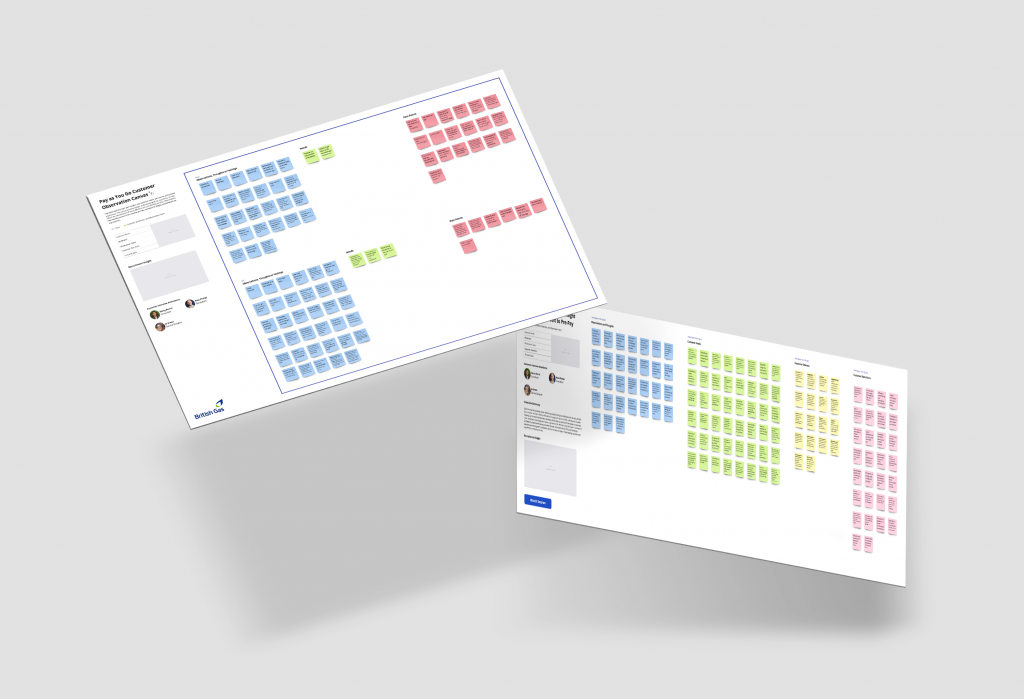
We aimed to gather diverse customer insights across different meter types — both smart and conventional. Our interviews focused on understanding customers' challenges, preferences, and opportunities for self-service improvements. We discussed energy usage, reasons for choosing our services, interactions with meter types, and top-up habits, as well as help-seeking experiences and resolution outcomes.
In the field
Ethnographic Studies & Engineer Interviews
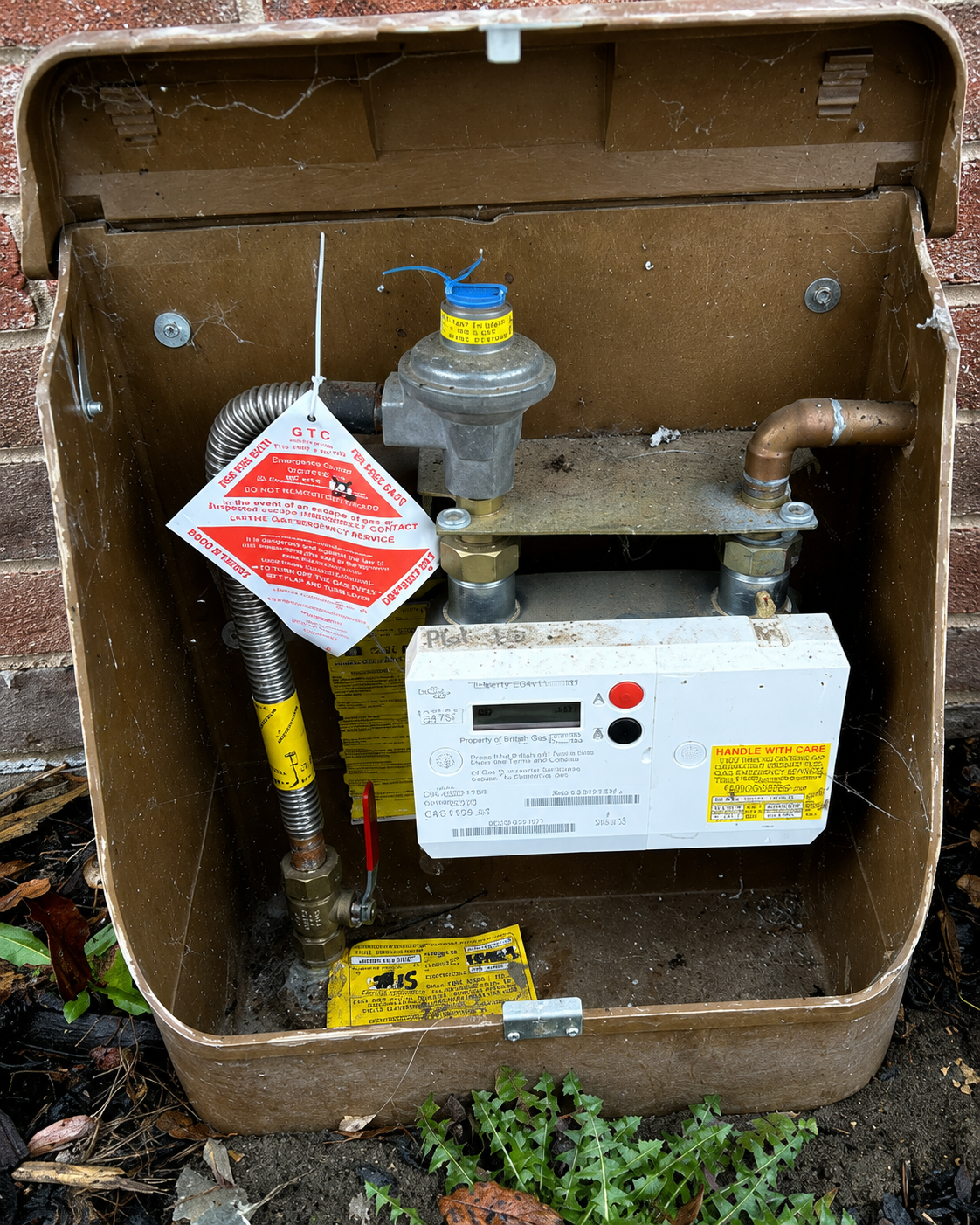
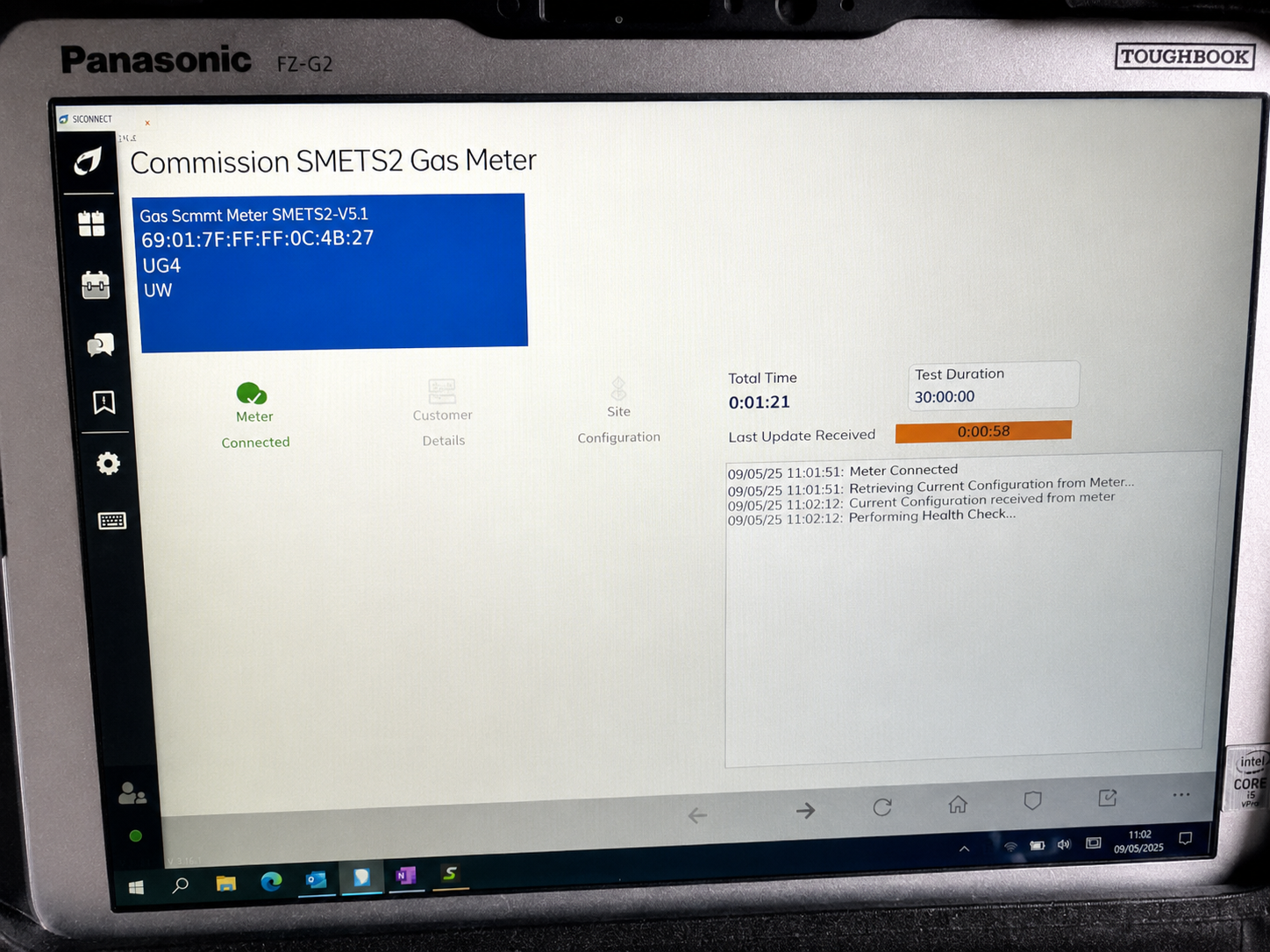
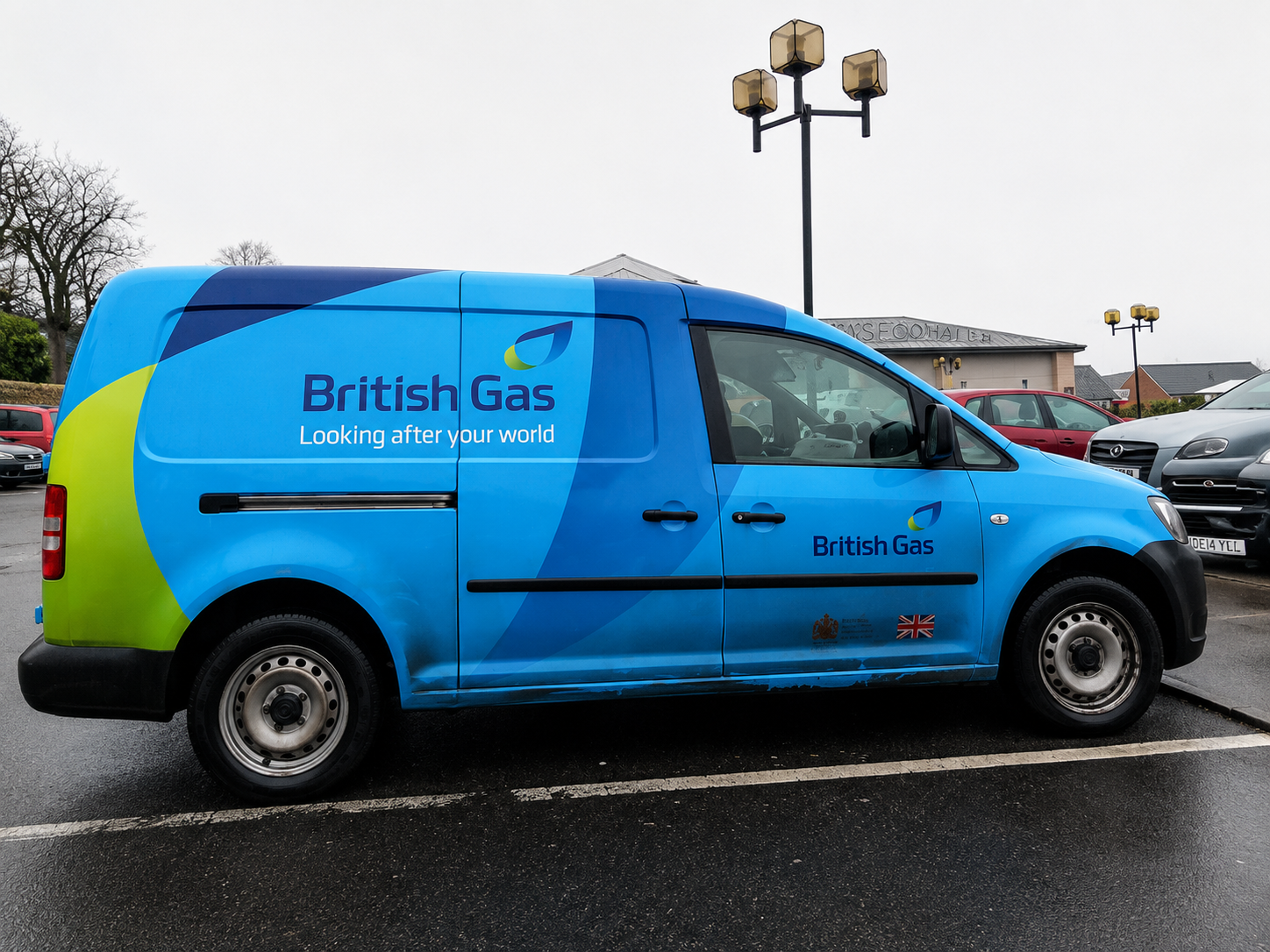
We ran a field study with five experts, shadowing engineer operations to understand planning and dispatch issues first-hand. We saw jobs booked without the correct equipment or support, leading to customer disappointment and wasted engineer visits — and an environmental impact through increased van use.
Alongside the ethnographic study, we interviewed five more engineers to gain additional insights into the challenges faced by engineers, customers, and agents, as well as the systems they use in their routines. These interviews covered engineers from various UK regions, each handling a variety of job types, ensuring a comprehensive understanding of the diverse roles of British Gas engineers.
Refining the work
Mapping Insight & Validation
We conducted over fourteen in-depth validation sessions with subject matter experts, product owners, engineers and customers to review and improve service interactions. These sessions explored the less satisfactory parts of the PAYG service, bringing together a wider range of perspectives to identify where the experience needed most attention.
Each session was carefully planned to be informative, engaging and collaborative. We also standardised internal language so complex terms were clearer and more consistent across the organisation, and made our data presentations more uniform and visual so insights could be understood and acted on more easily.
Narrating the Journey
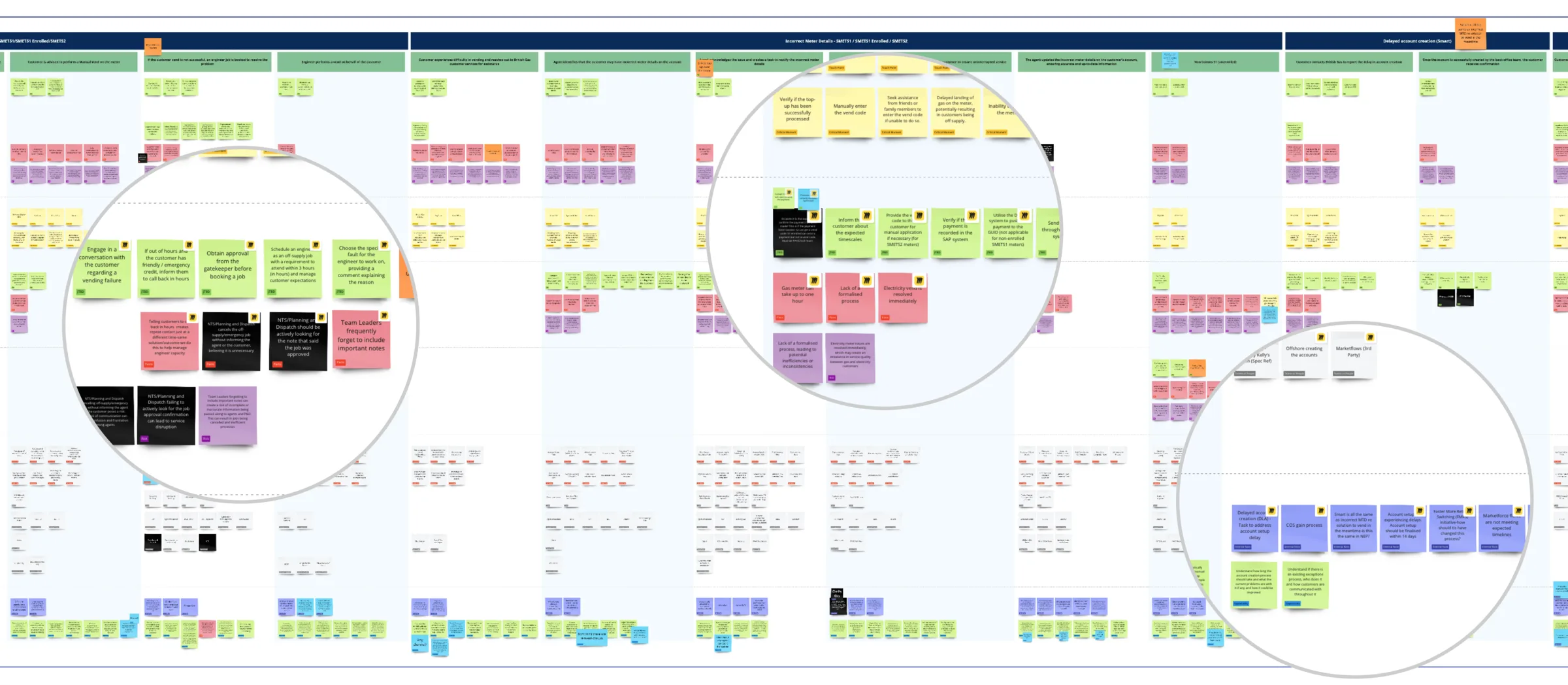
We mapped stakeholder experiences through storytelling, helping teams gather feedback and pinpoint the areas that needed attention. Black post-it notes created immediate visual signals during sessions, while recordings and transcripts helped us capture, review and act on important insights quickly.
By including participants beyond the initial group, we introduced fresh perspectives that made the insight base more rounded and reliable. This strengthened the foundation for ongoing improvement, helping the team refine services around real customer, agent and engineer needs.
Handover
Track 2 Transition
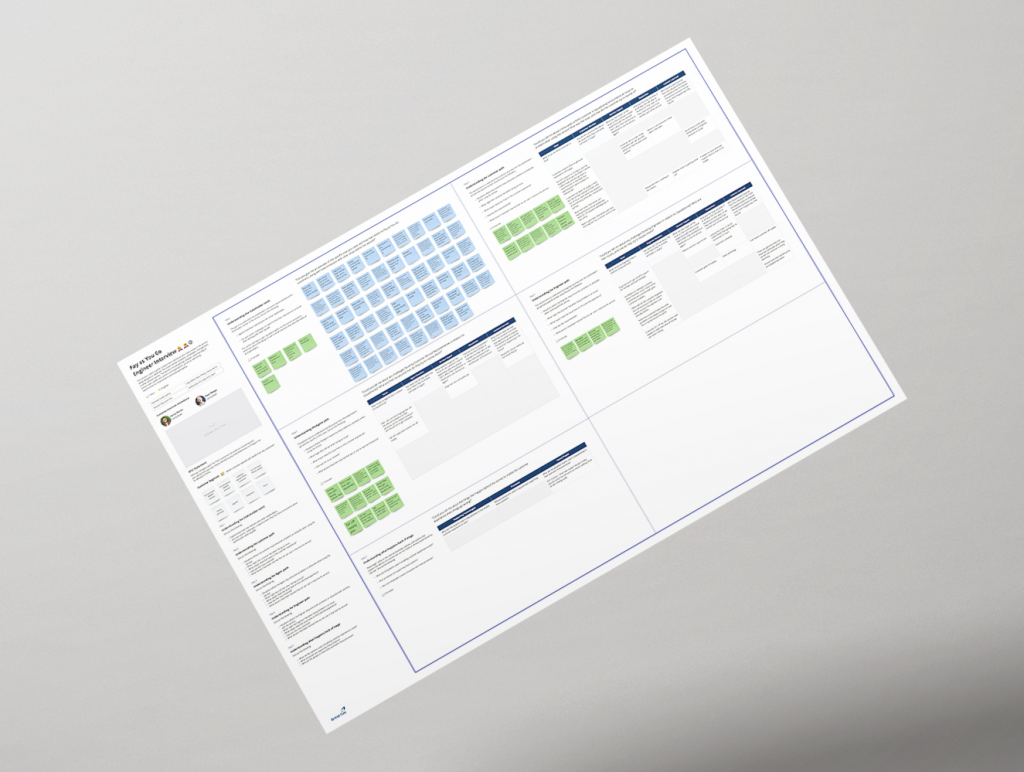
After extensive research, we created comprehensive artefacts for the new Energy platform's Pay As You Go service. Each artefact provided an executive summary of the journey, the contact drivers behind it, annual demand, channel-specific contact data and the opportunity for improvement. Across the work, we identified over £11 million in potential cost savings by reducing customer contacts by 70%.
Deep Dives and Narratives
Each artefact contained rich insight, including meeting recordings, notes, analysis and clickable Miro links to trace each finding back to its source. Supported by internal brand photography, the narrative approach brought the customer journey to life, capturing key touchpoints, emotions, decisions and the experiences of agents and field engineers.
We also defined performance indicators and metrics for tracking continuous improvement across British Gas, covering key processes, supporting technologies, systems and governance structures. Green post-it notes highlighted opportunities to address root causes and improve the service based on cost-mapping benefits. Despite challenges, including changes to internal contact reporting, we produced 14 unique artefacts, each with its own story. I then worked with the Track 2 team to pick these artefacts up and design solutions that meet the real needs of our agents, engineers and customers.
14
Strategic design artefacts
>£11M
Potential cost savings identified
70%
Targeted contact reduction
270%
Increase in direct customer engagement
Outcome
We enhanced the PAYG service by creating 14 artefacts grounded in real contact drivers — mapping customer journeys and identifying over £11 million in potential cost savings.
The project involved a significant cross-departmental effort, improving operational efficiency and customer satisfaction through innovative design methodologies. By embracing the knowledge and viewpoints of a wide array of stakeholders, we established a robust foundation for developing solutions that resonate deeply with the needs and experiences of those we serve.